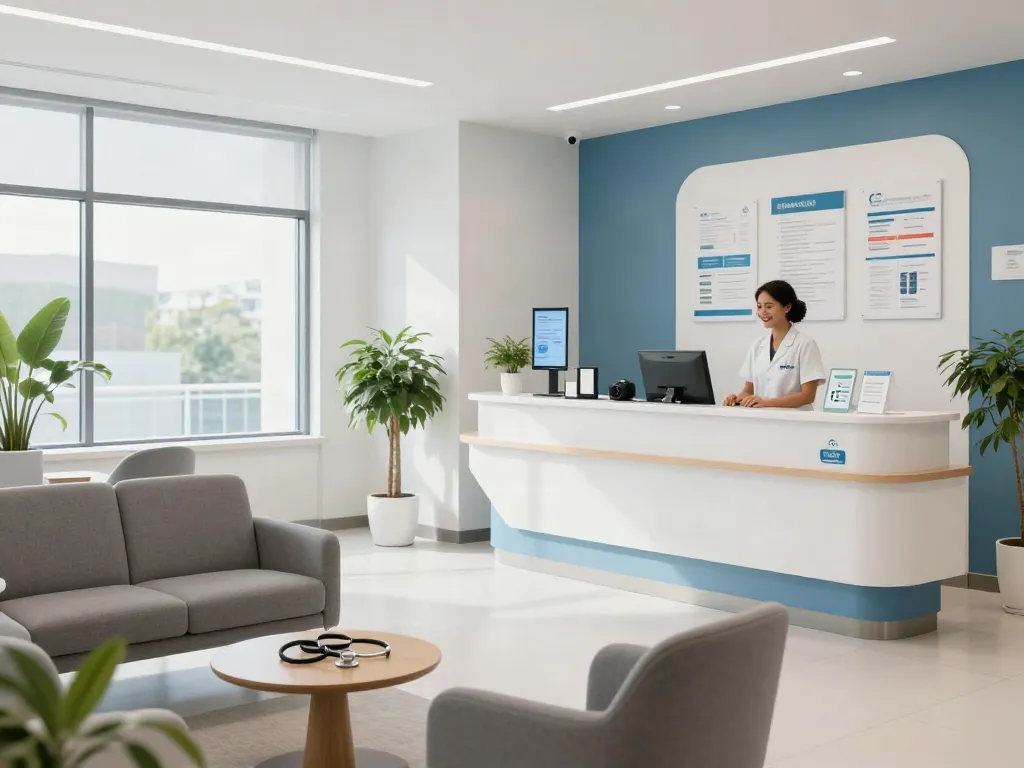
Understanding the Importance of Personalized Patient Care
In today's healthcare landscape, the focus on personalized care is more critical than ever. It recognizes that each patient is unique, with individual needs, preferences, and experiences that shape their health journey. In line with this approach, organizations dedicated to enhancing patient experiences have begun to integrate innovative solutions into their practice. One such initiative is the situs gacor, which embodies a commitment to delivering tailored healthcare solutions that respect each patient’s circumstances and choices.
What is Situs Gacor in the Healthcare Context?
Situs gacor represents a conceptual framework in healthcare that emphasizes patient-centered approaches, ensuring that care is not only based on clinical evidence but also aligns with patient preferences and values. This perspective shifts the traditional model of care delivery to one where patients actively participate in their treatment decisions, leading to improved health outcomes and satisfaction.
How Personalized Approach Enhances Patient Engagement
When patients are engaged in their care, they tend to adhere more closely to treatment plans, attend follow-ups, and communicate openly with their healthcare providers. Personalized care fosters this engagement by involving patients in decision-making and tailoring treatments to meet their specific needs. Studies consistently show that personalized engagement in healthcare leads to better clinical outcomes and healthier patients.
Key Characteristics of Effective Patient-Centered Care
- Communication: Clear, open dialogue between patients and providers that builds trust.
- Shared Decision-Making: Collaboration where patients and providers discuss treatment options together.
- Cultural Competency: Understanding and respecting diverse backgrounds and values.
- Accessible Information: Providing easy-to-understand health information.
- Continuity of Care: Ensuring a seamless health journey across different care settings.
Exploring Innovative Telemedicine Solutions
Telemedicine has emerged as a revolutionary approach to healthcare delivery, breaking geographical barriers and providing patients with access to quality care from the comfort of their homes. This innovative technology is particularly beneficial for those who require ongoing management of chronic diseases or who live in remote areas where healthcare services may not be readily available. With the rise of telemedicine, healthcare organizations can ensure that patients receive consistent and reliable care.
Benefits of Telemedicine for Patient Accessibility
One of the key benefits of telemedicine is its ability to enhance patient accessibility. Patients no longer need to travel long distances or wait for extended periods to receive consultations. Telemedicine services allow patients to schedule virtual visits with healthcare providers, drastically reducing the time spent commuting and waiting while also increasing the availability of specialists.
Ensuring Quality Care Through Virtual Consultations
Despite the physical distance, telemedicine allows for the delivery of high-quality care. Providers can conduct comprehensive assessments during virtual visits, including evaluating symptoms, providing diagnoses, and monitoring treatment effectiveness via electronic health records. This technology enables real-time adjustments to treatment plans, ensuring patients receive the best possible care tailored to their evolving needs.
Technological Innovations in Digital Health
Innovations in technology continue to advance the capabilities of telemedicine. Digital platforms are incorporating artificial intelligence (AI) to enhance diagnostic accuracy, wearable devices that monitor real-time health metrics, and apps that facilitate patient education and follow-up care. These tools create a more integrated healthcare experience, allowing providers to leverage technology in enhancing patient outcomes and satisfaction.
Advancements in Preventive Health and Wellness Screenings
Preventive health strategies play a fundamental role in modern healthcare by focusing on early detection of diseases and conditions. The incorporation of regular wellness screenings into a patient's care regimen significantly decreases treatment costs and improves health trajectories. Healthcare providers are encouraged to emphasize the necessity of preventative care as part of a holistic health strategy.
Why Prevention is Key in Patient Care Strategy
Preventive care is essential for maintaining overall health and well-being. It not only helps in identifying potential health issues before they become serious but also educates patients about lifestyle changes necessary for sustaining long-term health. Regular check-ups, vaccinations, and screenings allow healthcare professionals to detect issues early and intervene appropriately, improving prognostic outcomes and quality of life.
Situs Gacor: Initiating Health Assessments for Better Outcomes
Situs gacor plays a significant role in initiating health assessments that can lead to better health outcomes. By utilizing evidence-based guidelines, healthcare professionals can tailor screening protocols that fit the specific needs of each patient. This proactive approach ensures that potential health issues are addressed early, making it possible for patients to achieve optimal resolution of health concerns.
Integrating Wellness Screenings into Regular Care
Integrating wellness screenings into routine healthcare visits is vital for fostering a culture of preventive care. Wellness programs should be tailored to address the unique demographics, risk factors, and health concerns of specific populations. This strategy promotes an understanding of health metrics among patients, empowering them to take an active role in their health and wellness.
Mental Health Awareness and Treatment Options
As awareness of mental health continues to rise, it becomes increasingly essential to understand its role in overall wellness. Mental health conditions can significantly affect an individual’s quality of life, and prioritizing mental well-being is crucial for achieving holistic health. This leads to an emerging focus on treatment options that address these concerns as part of comprehensive care.
Understanding the Role of Mental Health in Overall Wellness
Mental health is intertwined with physical health, influencing emotional resilience, stress management, and the ability to cope with life's challenges. Acknowledging this interconnectivity is crucial in healthcare settings, as untreated mental health issues can exacerbate physical conditions and vice versa. Integrating mental health assessments into routine care is essential for identifying and addressing these concerns early.
Current Trends in Evidence-Based Mental Health Treatments
Current trends in mental health treatment focus on evidence-based practices that prioritize patient outcomes. Cognitive-behavioral therapy (CBT), mindfulness practices, and medication management are some treatments that have shown efficacy in treating various mental health conditions. Health providers must stay updated on these trends to provide the best care tailored to the individual needs of their patients.
Support Systems and Resources for Patients
Establishing a solid support system is crucial for patients coping with mental health issues. This includes not just healthcare providers but also community resources, support groups, and family involvement. Providing patients with access to these resources helps them navigate their recovery journey effectively and creates a network of support encouraging long-term healing.
Enhancing Surgical Procedures and Recovery Guides
For patients facing surgical procedures, understanding what to expect is integral to reducing pre-operative anxiety and improving recovery outcomes. Through transparent communication and clear guidelines, patients can feel empowered throughout their surgical journey. Comprehensive recovery guides contribute significantly to these efforts.
Preparing for Surgery: What Patients Should Expect
The preparation process for surgery begins long before the actual date of the procedure. Surgeons and healthcare teams should provide patients with all necessary medical information, including risks, benefits, and expected outcomes. Creating a pre-operative checklist can simplify this process, ensuring patients feel equipped and informed.
Innovative Recovery Techniques for Faster Healing
Post-operative recovery has evolved with various innovative approaches designed to facilitate faster healing and improve patient satisfaction. Techniques such as enhanced recovery pathways, minimally invasive surgery, and pain management protocols are increasingly adopted, leading to quicker recoveries and shorter hospital stays.
The Role of Patient Advocacy in Surgical Care
Patient advocacy plays a pivotal role in enhancing surgical care. Advocates are essential in ensuring that patient voices are heard during the care process, allowing for individualized treatment approaches that reflect patients' values and preferences. Empowering patients with knowledge about their rights can further enhance their surgical experience.
FAQs
What is the role of patient advocacy in healthcare?
Patient advocacy in healthcare involves supporting patients’ rights, ensuring that they are informed about their treatment options, and helping them navigate the complex healthcare system. Advocates can be healthcare professionals, family members, or dedicated organizations.
How can telemedicine improve patient outcomes?
Telemedicine can improve patient outcomes by increasing accessibility to care, facilitating timely interventions, and allowing for consistent monitoring of chronic conditions. It ensures that patients receive ongoing support without delays due to geographical constraints.
Why is preventive care important for long-term health?
Preventive care is crucial for long-term health as it focuses on early detection and management of health issues, significantly reducing morbidity and mortality rates. Engaging in preventive measures can lead to better overall health and reduced healthcare costs.